Transport Fever 3 First Look: The Tycoon Sequel Where Cities Fight Back
Everything You Need to Know
- By Pratik Pol
- October 6, 2026
Table of Content
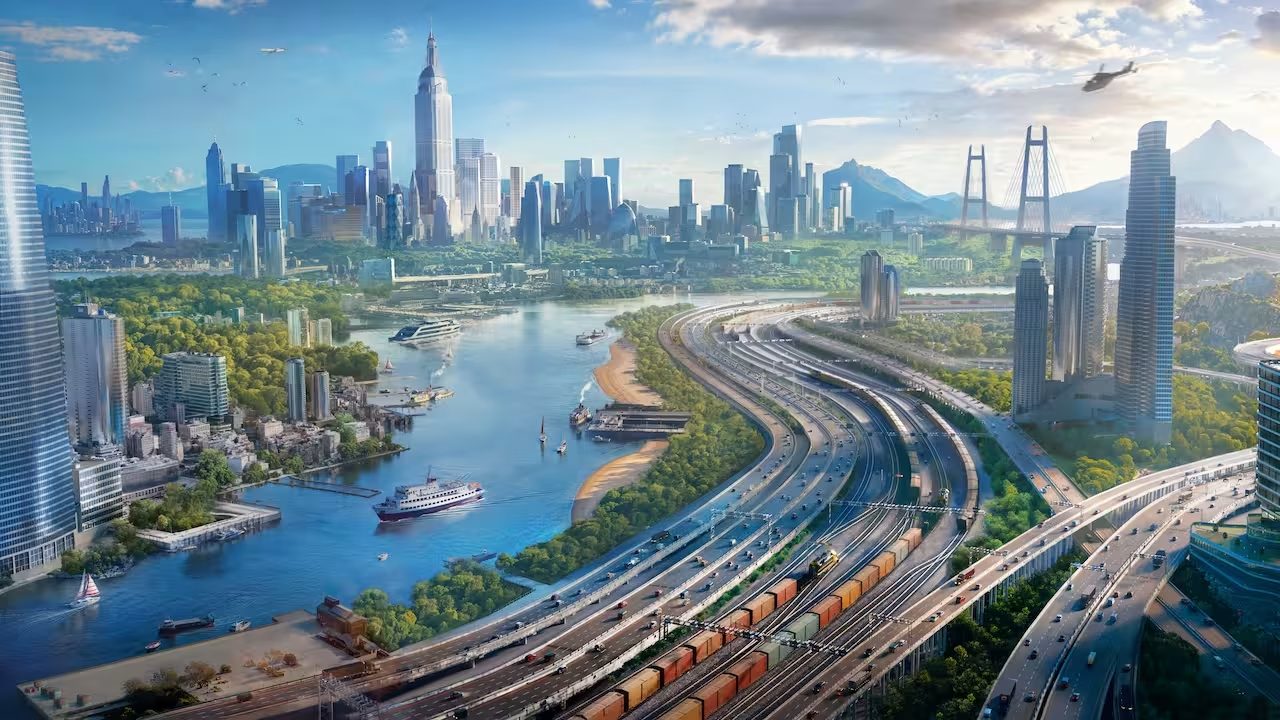
What Are We Getting?
Transport Fever 3 launched on September 29, 2026, on PC, Mac, Linux, PlayStation 5 and Xbox Series X|S. The game has more than 275 vehicles and four environments: temperate, desert, tropical and a new sub-arctic one. There is also a single-player narrative campaign next to the sandbox, which should help newcomers.
The big idea this time is a more alive world. Here are the features that matter most.
Cities That Punish Bad Planning
This is the headline change. In older games, a city was mostly a customer. You fed it cargo and passengers, and it grew. Now noise, pollution, congestion and wait times directly shape how a city develops.
On paper, that changes how you plan. Think about these situations:
- The freight yard next to homes. It might make good money, but the neighbors will feel it.
- The old, noisy bus fleet. Neglected vehicles slow down and make more noise and pollution, so skipping maintenance now has a real cost.
- The fast-growing commuter town. Success can create its own problems if traffic and noise get out of hand.
The game also gives you tools to fix things. There are data layers that show traffic hotspots, delivery problems and excess noise and pollution, so you can spot trouble early. The fixes include noise barriers, underground railways, greenification and pollution plants.
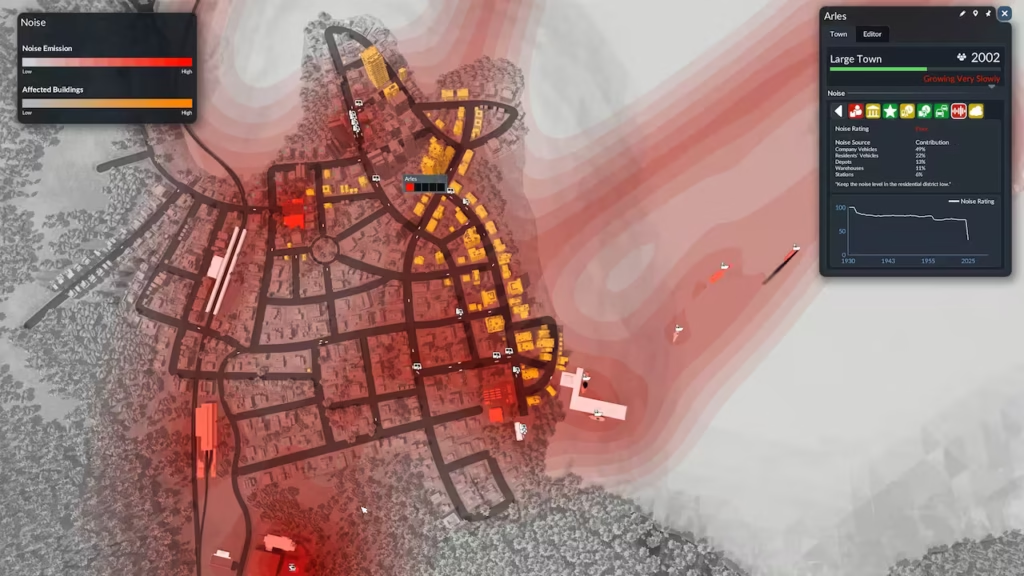
This is the right direction for a series that has been very forgiving. Trade-offs are what make tycoon games last. The open question is how clear the feedback will be. If it is unclear, the system could feel like homework. The developers say the focus on depth has made the learning curve longer, so newer players should expect a few angry towns.
Roads and Trams: More Control
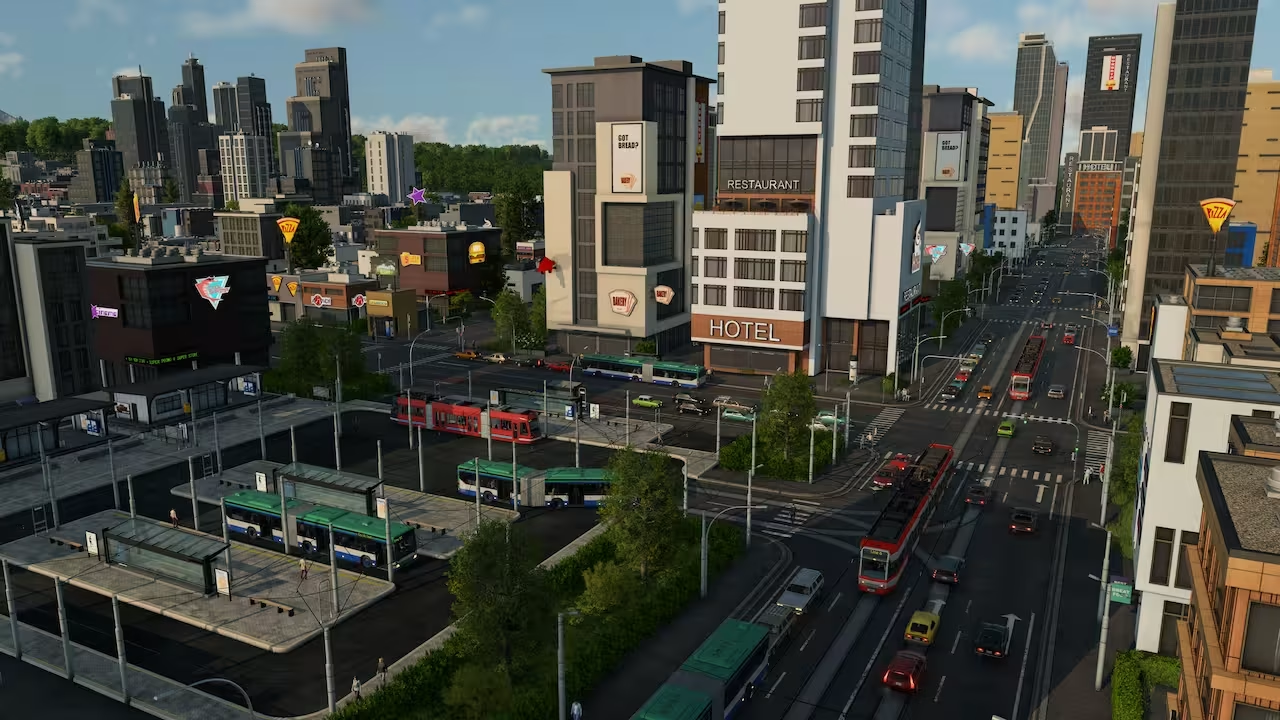
Road fans have waited a long time for this. The new road tools offer individual tram lanes and configurable lane connections.
In plain English:
- Trams can have their own lane instead of sharing space with cars.
- You can decide how lanes connect at junctions.
- Messy intersections should become easier to fix.
This matters more now that cities react to congestion. A tram line stuck behind traffic hurts your profit, and it adds to the noise and pollution your citizens notice. Better tools should let you solve the problem instead of just watching it. Cargo trams are new as well, so there is more to do with your tracks.
For a series that sometimes felt stiff around roads, this could be the biggest quality-of-life upgrade in the package.
Weather and Day-Night: Pretty, and Maybe More
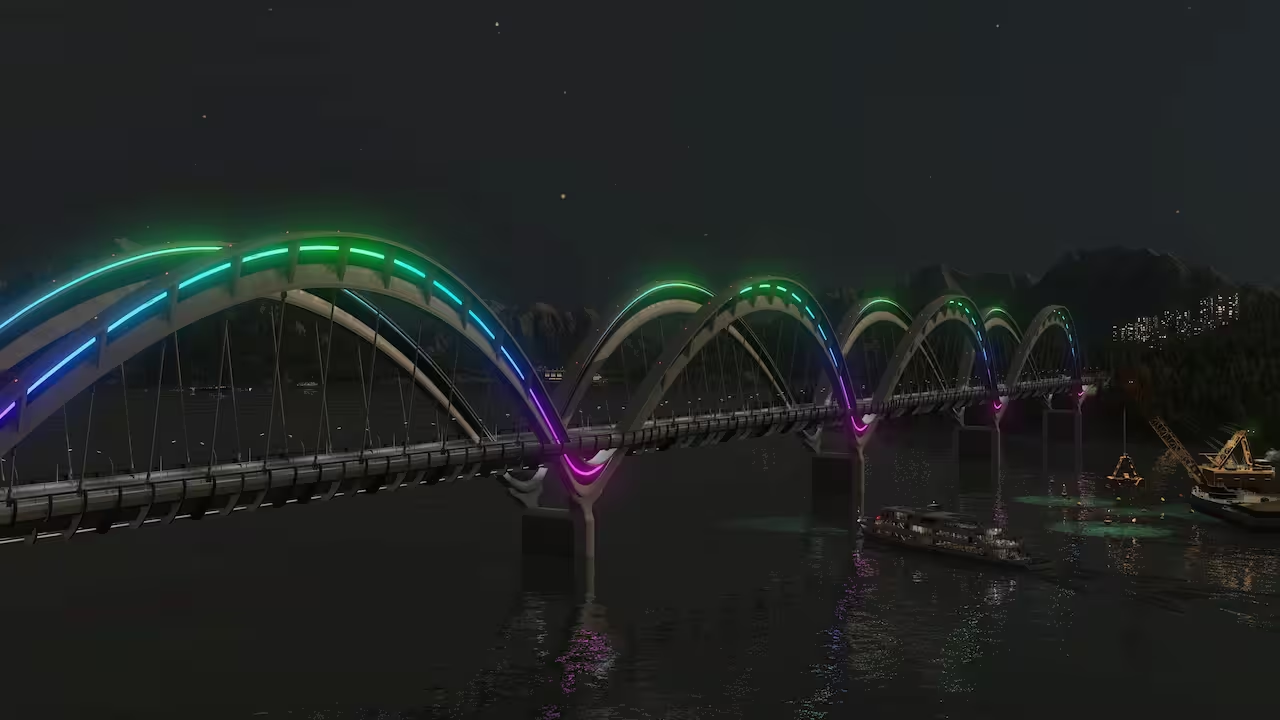
Two long-requested features are here. Dynamic weather and a full day-night cycle change the mood of your map, from sunny mornings to gray, rainy afternoons.
The official descriptions focus on atmosphere. A rainy evening with your train lights glowing is the kind of thing that makes you stop and just watch. It is not yet clear whether weather also changes how your network performs, such as slower roads in storms. If it does, the weather layer gets much more interesting. If it doesn’t, it is still a nice upgrade that makes the world feel less like a model railway.
Helicopters and Underground Railways
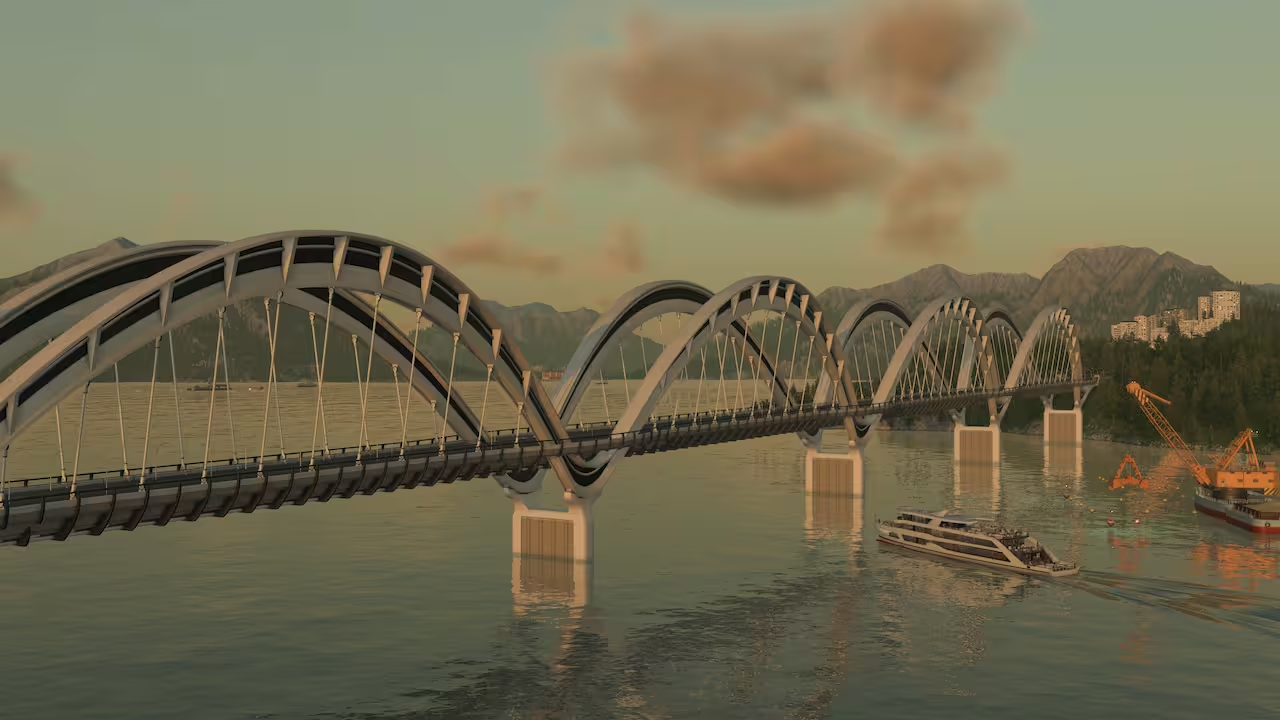
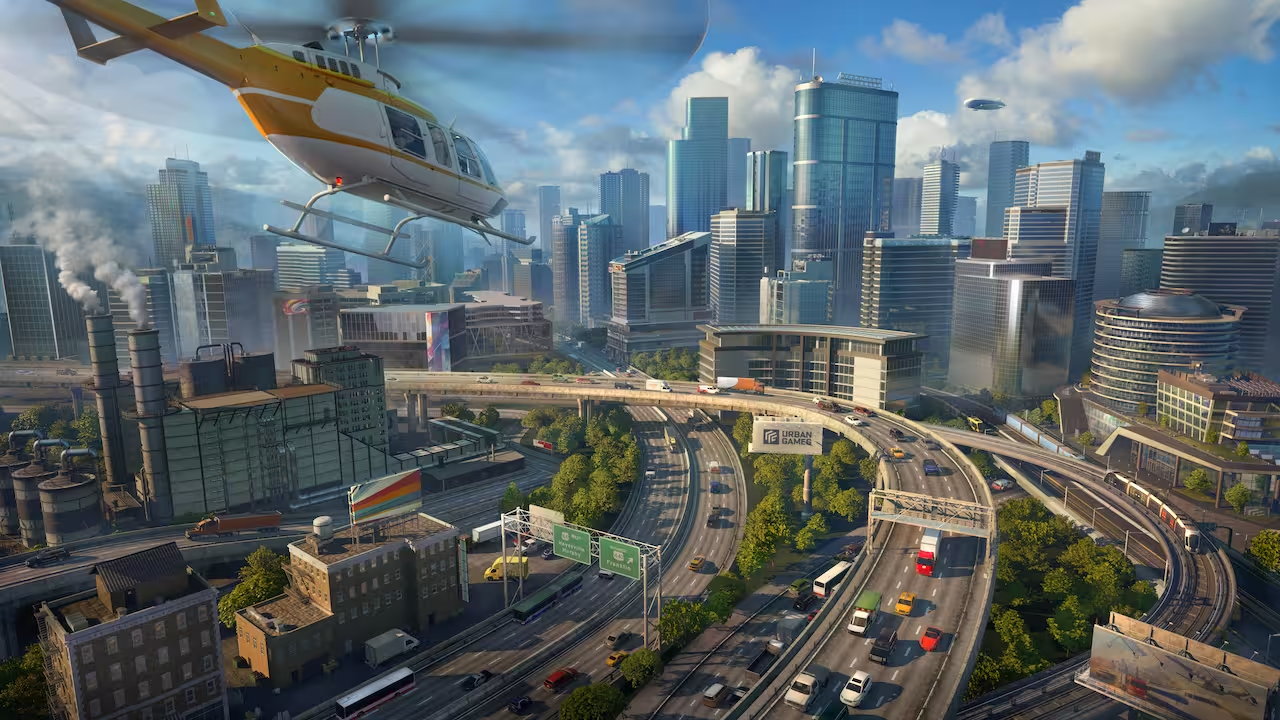
Helicopters are in the series for the first time. They look like a fun addition for quick passenger trips and for reaching places that are hard to connect by land. They also fit the new city rules, because speed is great but noise is now part of the picture.
The underground side comes through the city tools. Underground railways are listed among the options that help towns thrive, which makes sense. Moving people below ground should cut congestion and surface noise. It looks like a smart answer to the new city problems, and it is good that the game gives you a way out instead of only punishing you.
More Good Stuff
A few more things worth knowing:
- Mods from day one. Urban Games is running a curated mods program, with mods available at launch. Modding has always been a big part of this series.
- Ranking up unlocks headquarters upgrades, landmarks with bonuses, marketing campaigns and pollution reduction.
- A living supply chain. Cities and industries change as you play, so your network has to keep up.
Is It a Worthy Upgrade?
Based on what we know, it looks like one.
Transport Fever 2 is still a great game. It was well loved, with a 90% rating on Steam. But Transport Fever 3 does not look like just a coat of paint. The city reaction system should change how you make decisions. Better road and tram tools target real frustrations. Weather and day-night should make the world feel alive, and helicopters add a fresh way to move people.
Here is who might want it:
- Likely a good fit if you love deep planning and want your choices to have consequences.
- Likely a good fit if road and tram design was your biggest complaint in the last game.
- Think twice if you like the relaxed, no-pressure style of Transport Fever 2. The new rules could feel like extra work.
- Consider waiting for patches if you want the smoothest experience. Big sequels often need a few updates.
The main question mark is how well the city feedback is explained once you are actually playing. That is something only real play time and player reviews can answer, so we are not giving a score yet.